NEWS
We Lost A Great Man - Don Baldwin
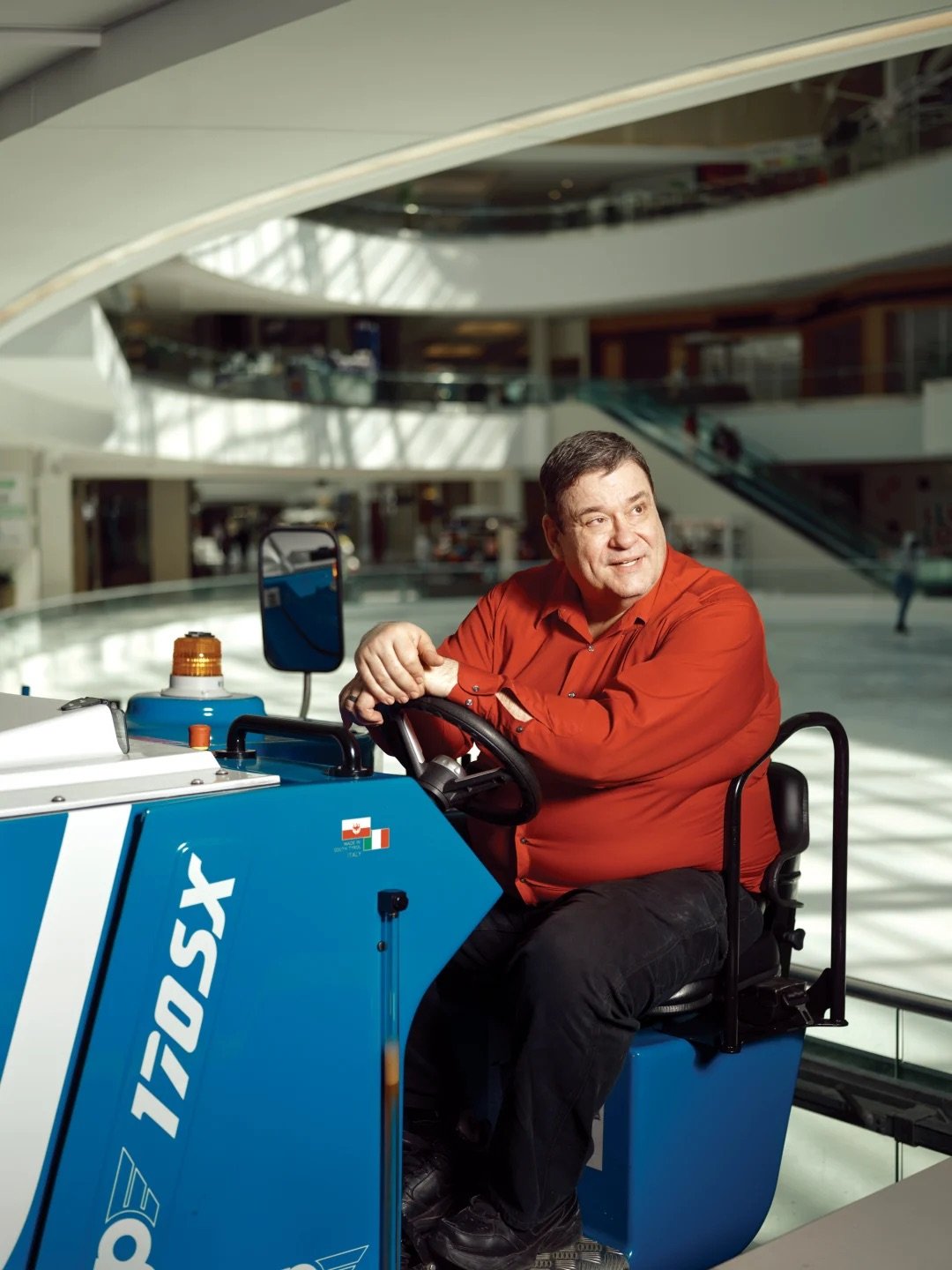
The Portland skating community has a lost a great.
Sending our condolences and love to the Baldwin Family. Don will be greatly missed. Thank you for sharing his legacy with us and keeping our ice community together.
Portland Monthly had a great Q&A with Mr Baldwin this past September. Link here for full article:
Don Baldwin has been the general manager of Lloyd Center’s ice rink since 1998—long before the snazzy 2016 remodel that shrunk the size of the ice. We asked what keeps him gliding.
What has kept you here for 23 years?
The people. We have really nice people here. We’ve set up kind of a community. I tell people, ‘We’re inside a big pink bubble here.’ Because it’s all about the skaters, it’s all about skating. Everybody comes here and they leave their everyday responsibilities behind.
His family has set a GoFundMe for support during their difficult time. Memorial information can also be found here:
Update:
Join us December 28th at 10am to honor and remember Don Baldwin. It will be held at Lloyd Center Ice rink. Party rooms will be open for light refreshments and a commemoration book. There will also be skating performances dedicated to Don.
If you have any photos, memories and any other tidbits that can be included in the book, it would be appreciated.
We will all be wearing red, Dons favorite color.
We ask for no flowers but instead a donation to Don’s family. The go fund me link will be available that day.
Please park in the Halsey street Parking garage (entrance on 9th and also on Halsey street). Those are the only doors that will be open at that time.
https://www.facebook.com/events/1095864171165884/
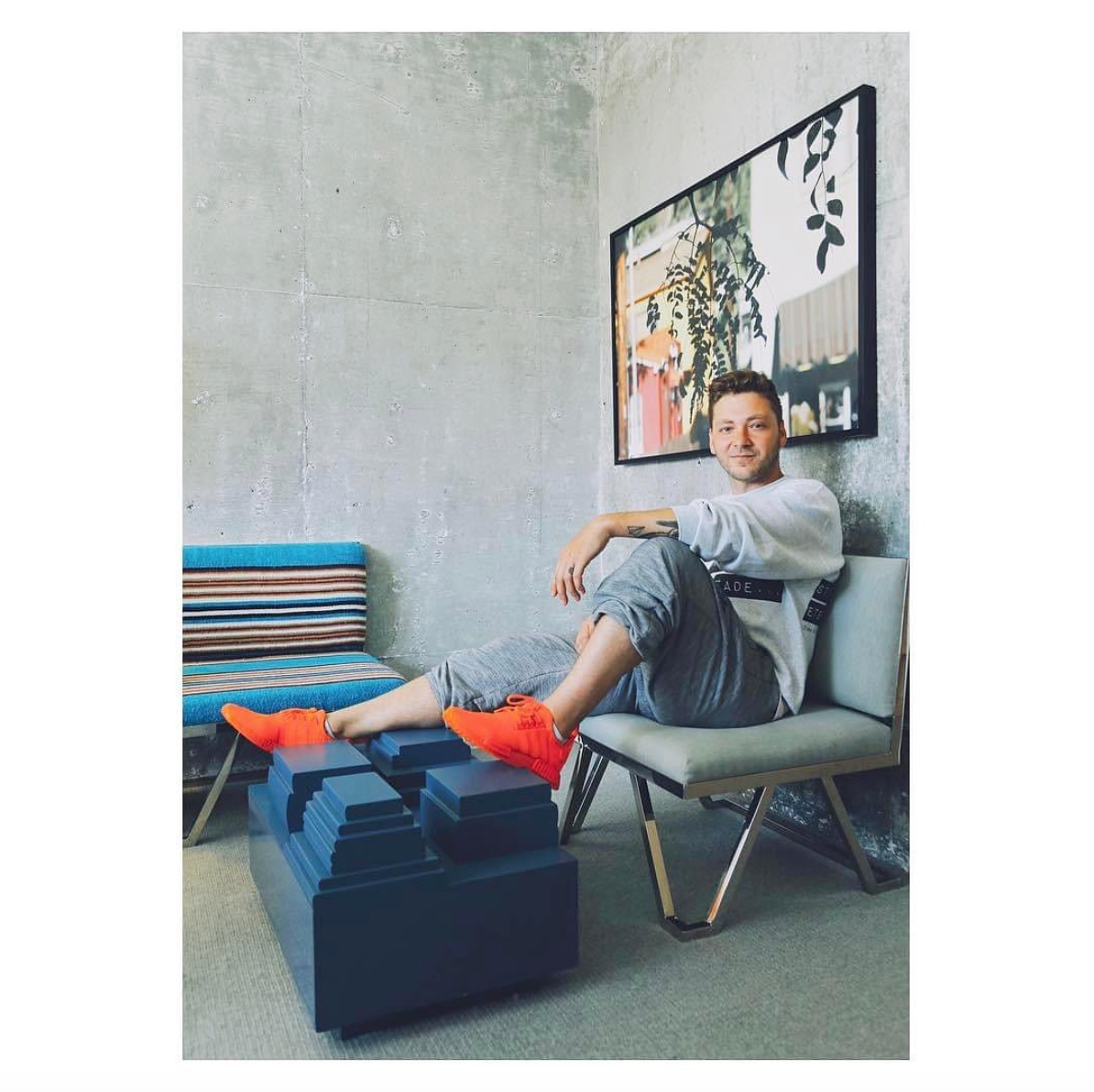
Dear Serge Onik
Serge, you will be greatly missed. Our hearts are broken to have heard the devastating news. We are so incredibly lucky to have had the honor and pleasure to both know you and learn from you. From the Oregon Skating community and beyond we are sending all our love to you and your family.
@sergeonik forever. 💖

Serge, you will be greatly missed. Our hearts are broken to have heard the devastating news. We are so incredibly lucky to have had the honor and pleasure to both know you and learn from you. From the Oregon Skating community and beyond we are sending all our love to you and your family.
@sergeonik forever. 💖
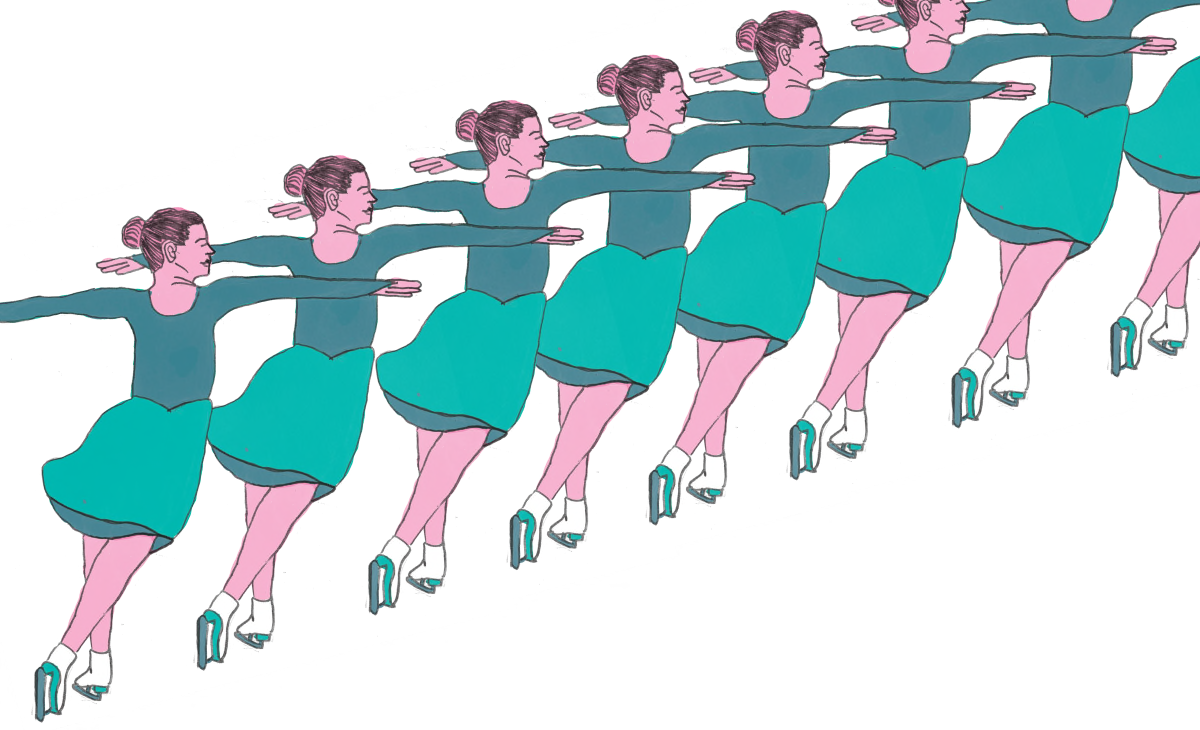
Flashback Saturday - Remember when Synchro Nationals skated Portland ice?!
Although considered one of the five official disciplines of figure skating, synchronized skating—in which teams of up to 24 skaters perform elaborately choreographed routines, often at breakneck speeds—is the only one not yet represented at the Olympics. It's hard to imagine why. If two people flinging each other around the ice is worthy of medals, shouldn't two dozen skaters doing it at the same time be 12 times as worthy?

(Ale Carda)
Never Heard of Synchronized Skating? Well the U.S. Championships Are Coming to Portland.
You won't see this sport in the Olympics, here’s everything you need to know.
By Matthew Singer | February 20, 2018
At the moment, 14 of America's best figure skaters are in South Korea, competing against the rest of the world on the grandest stage in sports.
Meanwhile, the other 1,600 are going to be in Portland this week, competing against each other in a dilapidated sports arena.
Although considered one of the five official disciplines of figure skating, synchronized skating—in which teams of up to 24 skaters perform elaborately choreographed routines, often at breakneck speeds—is the only one not yet represented at the Olympics. It's hard to imagine why. If two people flinging each other around the ice is worthy of medals, shouldn't two dozen skaters doing it at the same time be 12 times as worthy?
Leslie Graham thinks so. The senior director of synchronized skating for U.S. Figure Skating understands why it's the odd sport out—it's still a fairly new form. Still, how much longer can the Olympic committee deny a spectacle that combines the grace of figure skating with the speed (and occasional bloodshed) of hockey?
Ahead of the U.S. championships happening in our backyard, we spoke to Graham to find out more about what the Olympics have been missing.

WW: Is it fair to say synchronized skating is the black sheep of the ice sports world?
Leslie Graham: It's definitely the youngest sheep. It's a fairly new discipline. Back in 1956, Dr. Richard Porter had this idea to put a bunch of cheerleaders, essentially, on the ice during intermission at a hockey game. So the first "precision team," as it was then called, was named the Hockettes. But we've only had a national championship since 1984, and we've only had a world championship for 18 years.
What's stopping it from becoming an Olympic sport?
I think the newness of it, and the sheer numbers. Teams can have up to 24 skaters on them. That's a lot of people the Olympics would have to accommodate. I think that's one of the biggest obstacles we have to overcome—just the sheer number of athletes who participate in the sport.
So what exactly goes into it?
Obviously, it's a team sport, and what makes it so special is these athletes are skating as one. They have great unity, but they're skating with a lot of speed and a lot of edgework. We say it's actually a combination of all the different disciplines. You have the jumps and spins of singles. You'll see the intricate footwork of an ice dancing team. You'll actually see, in our senior division, the lifts. So it's really a combination of all our different disciplines—just times 16 skaters.
Is synchronized skating popular in other countries?
It's definitely grown in popularity across the world. Russia has won the last two world championships. The Swedes, the Finns, the U.S. and Canada—those are the five countries who have embraced synchronized skating. I do think we're a leader in our discipline due to the sheer number of teams. We have over 620 registered synchronized skating teams in the U.S.

What's the most difficult move in synchronized skating?
I think the group lifts are pretty remarkable. You'll only see them in the senior division because of the risk involved. Think about it—in synchronized skating, if you have 16 people on the ice, that's 32 blades, that's a lot of fingers. It can be a dangerous sport. So those lifts are a pretty unique but exciting piece of a program.
Have you seen anything grisly like that happen during a routine?
Our hope is that everyone skates clean—that means everyone stays on their feet, basically. Unfortunately, things happen. Skaters are trained from a young age how to protect their fingers and hands, and get in a ball and roll away if you have to, so if there is a fall, it's the least disruptive it can be.
Who are the legendary figures in the sport?
The Haydenettes are a senior team out of Lexington, Mass. They are 25-time national champions. They've also won multiple world medals. I'd say they are the leaders in our country for this sport. They compete in the senior division, which is our top division, kind of the cream of the crop. I'd say they are favorites this year just because of their past competitive experiences.
Is there anything close to a Tonya Harding figure in the synchronized skating world?
Because of the nature of the sport, the athletes are part of a team, and the team is greater than the individual.
How important would it be if synchronized skating ever becomes an Olympic sport?
I think if it was to become an Olympic sport, we'd find a lot more skaters would be interested in it, because right now we don't have that opportunity. There's the opportunity if you're a singles skater or ice dancer or pairs skater that you can eventually compete at the top competition in our world. The World Championships are something our teams strive for, but there's not that carrot of the Olympics.
GO: The 2018 U.S. Synchronized Figure Skating Championships are at Veterans Memorial Coliseum, 300 N Winning Way, on Thursday-Saturday, Feb. 22-24. See rosequarter.comfor schedule and ticket prices.
https://www.wweek.com/culture/2018/02/20/never-heard-of-synchronized-skating-the-u-s-championships-are-coming-to-portland/
Jason Brown's World Famous Banana Oatmeal Pancakes
What’s better than banana pancakes on a Sunday Morning? Banana oatmeal pancakes and JASON BROWN!!! Oregon Skating Council is super excited to be sharing the kitchen (a la zoom!) with Jason Brown as he shares he favorite banana and oatmeal pancake recipe!
For more information, hit up our ONLINEseries page!
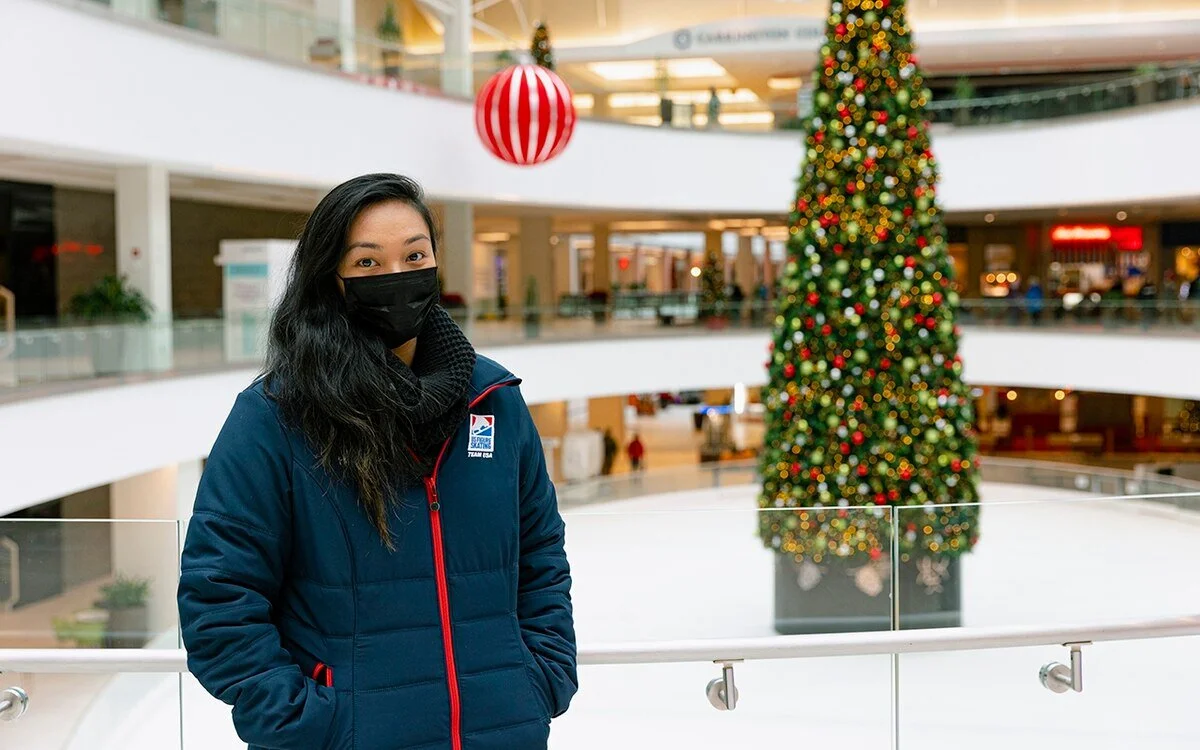
Portland figure skating coach Mari Malama has faced many professional challenges this year. The toughest? Finding an open rink.
When Ice Rinks Closed Around the State, a Portland Figuring Skating Coach Still Found a Way for Her Students to Compete in the National Championships
Portland figure skating coach Mari Malama has faced many professional challenges this year. The toughest? Finding an open rink.

When Ice Rinks Closed Around the State, a Portland Figuring Skating Coach Still Found a Way for Her Students to Compete in the National Championships
Portland figure skating coach Mari Malama has faced many professional challenges this year. The toughest? Finding an open rink.
By Shannon Gormley | Published December 9 at 5:47 AM Updated December 11 at 12:50 PM
Last month, ice skating coach Mari Malama learned her home rink was about to close a few weeks before her student's biggest competition of the year. So she did what any dedicated coach would do: pack up and drive to the nearest open rink.
Where was that? Six hours away in Klamath Falls.
"Skating in general, it always teaches you resilience," she says. "But this year has been a really big test for all of us."
Malama coaches teenage athletes who are part of Portland Ice Skating Club, the city's oldest figure-skating association. Malama's students are high-level, career-minded athletes who usually train for about six hours a day. Every year, all those hours culminate at the U.S. Figure Skating Championship Series, which crowns national champions and helps determine the country's international teams.
This year, the competition is being held virtually. Instead of traveling to a giant arena somewhere as usual, the 10 PISC athletes competing in this year's championship had to perform their routines remotely, under the supervision of a proctor and with their coach filming on a cellphone from the sidelines. Competitors had a three-week window, which closed earlier this week, to record and submit a video of their performance for the championship qualifier round.
Malama coaches two skaters who are competing this year. She usually coaches at Sherwood Ice Arena. But in late November, the statewide freeze shutdown ice rinks across the state for the second time, barely two weeks before the Dec. 8 submission deadline for the championship's qualifier event. Malama had to scramble to find another rink so her students could participate in the competition they had been training for all year.
"We didn't know if our rink would reopen after the freeze," she says. "For me as a coach, you need to provide stability for your athletes. If [the athletes] have a limited time to submit the video, I didn't want to uproot them a day before they have to submit."
She found Klamath Falls' Bill Collier Community Ice Rink. Since it's outdoors, it's one of the few rinks in the state that's allowed to remain open. Two weeks ago, Malama, two of the students she coaches and their families drove from the Portland area to a resort by the rink, where they've been living ever since.
Malama didn't think twice about relocating for almost a month. She says she and her students had been traveling as safely as possible, wearing masks and isolating themselves, except when hitting the ice.
"You do what you have to do, and you have to do whatever it is to get it done," she says. "Having to pick up and go one way or another under short notice, we're kind of unfazed by that already because it's been happening so much this year."
Her students and their parents have been scrambling since the beginning of the pandemic to prepare for the competition. In the early days of lockdown, Malama coached off-ice trainings over Zoom. When rings opened in Washington before Oregon, she and her students drove back and forth to train in Tacoma. Some skaters and their parents would spend the week in Tacoma and only come back home for the weekend. Early in the summer, when the nearest open rink was in Colorado, Malama and PISC drove to Colorado.
"This is happening all over the country," says Malama. "Skaters are doing whatever they can to get back on the ice."
Now that the national championships are over, Malama isn't sure what her next few months will look like. She hopes she can return to her home rink in Sherwood soon, but for now, it's open by private reservation only.
"I hope to be back on our home ice," she says. But if that's not possible, "we will find ice, for sure."
SOURCE: https://www.wweek.com/culture/2020/12/09/when-ice-rinks-closed-around-the-state-a-portland-figuring-skating-coach-still-found-a-way-for-her-students-to-compete-in-the-national-championships/
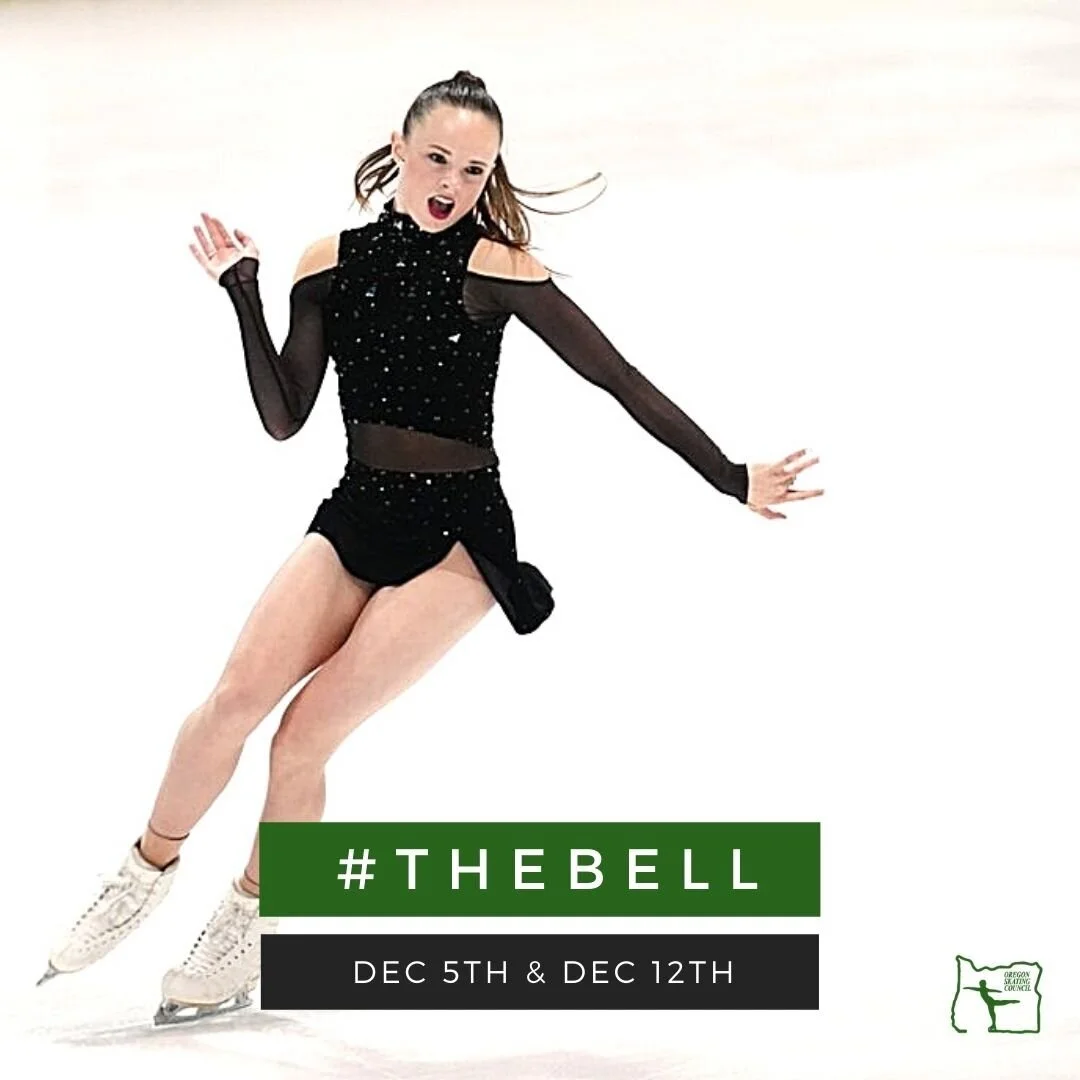
Mariah Bell hits the OSC Zoom Screens!

We are happy to announce that Mariah Bell will be “visiting” the PNW via Zoom again! Join us December 5th and 12th at 4P PST as Mariah shares off-ice jump techniques! Hit the ONLINEseries tab above for more information!
OHA New Guidance for Ice Rinks in Washington County
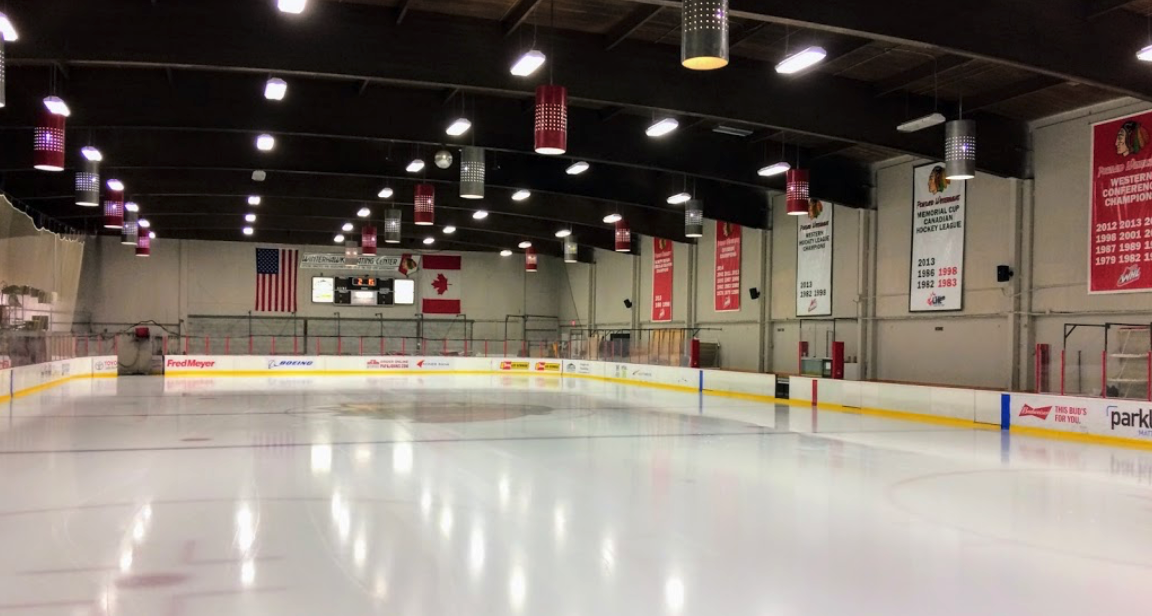
Under new guidance issued Thursday evening by the Oregon Health Authority, bowling alleys and skating rinks in Phase 1 counties, which includes the Portland area, will be allowed to reopen with coronavirus safety restrictions in place.
The new rules allow bowling centers and skating rinks to resume business with a capacity of no more than 50 people and bowling and skate times limited to scheduled appointments.
https://www.oregonlive.com/coronavirus/2020/10/portland-area-bowling-skating-can-return-under-revisited-state-rules.html?fbclid=IwAR3KaCcm9psCF9VU7XPRkizKZzrYE0jrsFqOmUge2cn-jPl7qGLccJPM840
Phase One Reopening Guidance —
Bowling Alleys and Skating Rinks
500 Summer St NE E20 Salem OR 97301 Voice: 503-947-2340 Fax: 503-947-2341
Authority: Executive Order No. 20-27, ORS 431A.010, ORS 433.441, ORS 433.443 Applicability: This guidance applies to operators of bowling alleys and skating rinks in Phase
One counties.
Enforcement: To the extent this guidance requires compliance with certain provisions, it is enforceable as specified in Executive Order 20-27, paragraph 26.
Operators of bowling alleys and skating rinks are required to:
Limit the capacity to a maximum of 50 people indoor or 50 people outdoor, not to exceed 50 indoor and outdoor; or the number of people, including staff, based on capacity (square footage/occupancy), whichever is less.
Ensure all facilities are ready to operate and that all equipment is in good condition, according to any applicable maintenance and operations manuals and standard operating procedures.
Limit bowling times/skate times to scheduled appointments.
Maintain contact information of customers for bowling and skating activities. If there is a positive COVID-19 case associated with the bowling/skating establishment, public health may need this information for a contact tracing investigation. Unless otherwise required, this information may be destroyed 60 days after the event.
Review and implement General Guidance for Employers. Physical Distancing Measures
Determine maximum occupancy of each indoor and outdoor area to maintain the requirement of at least six (6) feet of physical distance between parties, and limit number of individuals on the premises accordingly. Use 35 square feet per person of usable space as a guide to determine maximum occupancy. Bowling lanes are not considered usable space.
If equipment or play lanes cannot be moved to facilitate physical distancing, the area must be blocked from being used.
Single parties are defined as groups of 10 or fewer people who have chosen to congregate together.
1 of 5 OHA2342J10222020
Ensure that physical distancing of at least six (6) feet between people of different parties is maintained. Make clear that members of the same party can participate in activities together, stand in line together, etc. and do not have to stay six (6) feet apart.
Assign a physical distancing monitor to ensure compliance with all distancing requirements, including at entrances, exits, restrooms and any other area where people may congregate.
Position staff to monitor physical distancing requirements, so that parties are no larger than 10 people, and to help visitors understand these requirements.
Set up seating and/or game configuration to comply with all physical distancing requirements.
Do not combine parties or allow shared seating for individuals not in the same party.
Remove or restrict seating/consoles/lanes etc. to support the requirement of at least six
(6) feet of physical distance between people not in the same party.
Prohibit people in different parties from congregating in any area of the facility, both indoor and outdoor, including in parking lots.
Prohibit operation and use of any play areas/ball pits/playgrounds.
Prohibit full contact sports, e.g. Ice Hockey, as stated in the Recreational Sports guidance.
Ensure that ventilation systems operate properly. Increase air circulation and ventilation as much as possible by opening windows and doors. In indoor spaces, fans should only be used when windows or doors are open to the outdoors in order to circulate indoor and outdoor air. Do not open windows and doors if doing so poses a safety risk to employees, children or customers.
Do not operate, if unable to maintain at least six (6) feet of distance as required by this guidance, except for brief interactions or if unable to comply with all other requirements in this guidance. The requirement to close applies to both indoor and outdoor operations for entities that have both.
To the extent possible, operators of bowling alleys and skating rinks should, but are not required to:
Consider placing clear plastic or glass barriers in front of reception counters, cashiers, rental counters or in other places where maintaining six (6) feet of physical distance between employees and clients is more difficult. Masks and face coverings are still required in these situations.
Consider using a phone, email or online reservation system.
Encourage use during non-peak times as determined and publicized by facility
management.
Encourage one-way flow with marked entrances and exits, but do not block egress for fire exits. Use signs to direct one-way flow of traffic.
2 of 5 OHA2342J10222020
Operators of bowling alleys and skating rinks are required to:
Employees
Require all employees to wear a mask, face shield, or cloth, paper or disposable face covering in accordance with Statewide Mask, Face Covering, Face Shield Guidance. If an employee cannot wear a mask, face covering or face shield because of a disability, the employer must work with the employee to determine whether a reasonable accommodation can be provided. A reasonable modification does not include simply allowing an employee inside without a mask, face covering or face shield. There are limited times when an employee does not have to wear a mask, face shield or face covering at a location covered by the statewide guidance, but no exemptions. An employer should work with their human resources department or speak to their legal counsel to determine their legal options for addressing this issue. Employers may also reach out to the Bureau of Labor and Industries (BOLI) for technical assistance.
Employers must provide masks, face coverings or face shields for employees.
Train all employees on cleaning operations (see below) and best hygiene practices
including washing their hands often with soap and water for at least 20 seconds.
Review and use Statewide Mask, Face Covering, Face Shield Guidance.
Visitor Face Coverings
All visitors and customers are required to follow the Statewide Mask, Face Covering, Face Shield Guidance.
Provide for accommodations for employees, contractors, students, customers and visitors if such accommodations are required by:
State and federal disabilities laws, if applicable, including the Americans with Disabilities Act (ADA) which protects people with disabilities from discrimination in employment and requires employers to engage in the interactive process for accommodations.
State or federal labor laws.
State and federal public accommodations laws that provide all persons with full
and equal access to services, transportation and facilities open to the public.
OHA public health guidance if applicable.
Bowling alleys and skating rinks are considered “indoor public spaces” or “outdoor public spaces” whether publicly owned or privately owned, where the public has access by right or invitation, express or implied, whether by payment of money. The use of masks, face coverings or face shields is required.
Cleaning
Thoroughly clean all areas of bowling alley or skating rink prior to reopening after extended closure.
Employees must clean and sanitize work areas, high-traffic areas, and commonly touched surfaces in both customer and employee areas in indoor and outdoor facilities. Use disinfectants that are included on the Environmental Protection Agency (EPA)
3 of 5 OHA2342J10222020
approved list for the SARS-CoV-2 virus that causes COVID-19. Use products that are effective against the novel coronavirus.
Thoroughly clean restroom facilities at least twice daily and, to the extent possible, ensure adequate sanitary supplies (soap, toilet paper, hand sanitizer) throughout the day. Restroom facilities that cannot be cleaned twice daily should be kept closed or a sign should be posted stating that the restroom is unable to be cleaned twice daily.
Employees must clean and disinfect ALL bowling balls, shared equipment, shoes, skates and any other commonly touched devices or tools between use.
Assign a sanitation attendant or attendants to frequently clean and disinfect work areas, high-traffic areas, and commonly touched surfaces (including balls, touch screens, skates and other shared equipment) in areas accessed by workers and attendees/participants.
Provide public sanitation stations for customers to be able to clean hands and highly touched surfaces as needed.
To the extent possible, operators of bowling alleys and skating rinks should, but are not required to:
• Strongly encourage clients to wash hands with soap and water for 20 seconds and/or use hand sanitizer (60-95% alcohol content) immediately before and after play session as well as several times during the session.
Operators of bowling alleys and skating rinks are required to:
Signage
Post clear signs listing COVID-19 symptoms, asking employees, volunteers and visitors with symptoms to stay home and who to contact if they need assistance.
Use clear signs to encourage physical distancing.
Post clear signs about the mask, face covering, or face shield requirements. Additional requirements
Keep areas that are prone to attracting crowds (including but not limited to indoor playgrounds, indoor play structures and drop-off play structures) closed.
Keep drop-in childcare closed.
Limit parties to 10 people or fewer. Do not combine parties/guests in shared seating who have not chosen to congregate together. People in the same party seated at the same table do not have to be six (6) feet apart.
Prohibit parties (a group of 10 or fewer people that arrived at the site together) from congregating in parking lots and other common areas for periods longer than reasonable to retrieve/return gear and enter/exit vehicles.
4 of 5 OHA2342J10222020
Keep common areas, such as picnic tables, day-use shelters, and buildings open to the public, arranged so at least six (6) feet of physical distance between parties (chairs, benches, tables) is maintained. Post clear signs to reinforce physical distancing requirements between visitors of different parties.
End all facility activities by 10 p.m.
Follow the Phase One Restaurants and Bars Guidance, if serving food and/or beverage. Operators of bowling alleys and skating rinks must comply with the maximum capacity limits required in the Phase One Guidance for Bowling Alleys and Skating Rinks and cannot increase capacity based on any other OHA guidance.
Follow the Retail Stores Guidance if operating a retail store on the premises.
To the extent possible, operators of bowling alleys and skating rinks should,but are not required to:
Additional Physical Distancing Measures
Limit the number of staff who serve or interact with each party.
Encourage visitors to attend with their own household members rather than with those
in their extended social circles.
Encourage visitors to recreate safely and avoid traveling to or recreating in areas where it is difficult to maintain at least six (6) feet from others not in their household.
Cleaning/ Hygiene
• Consider providing hand-washing facilities for customer use in and around the facility. Hand sanitizer is effective on clean hands; businesses may make hand sanitizer (60- 95% alcohol content) available to customers. Hand sanitizer must not replace hand washing by employees.
Outdoor facilities
• Consider closing every other parking spot to facilitate at least six (6) feet of physical distance between parties.
Additional Resources:
OHA General Guidance for Employers
Statewide Mask, Face Covering, Face Shield Guidance
CDC’s Guidance for Administrators in Parks and Recreational Facilities
Document accessibility: For individuals with disabilities or individuals who speak a language other than English, OHA can provide information in alternate formats such as translations, large print, or braille. Contact the Health Information Center at 1-971-673-2411, 711 TTY or COVID19.LanguageAccess@dhsoha.state.or.us
5 of 5 OHA2342J10222020
https://sharedsystems.dhsoha.state.or.us/DHSForms/Served/le2342j.pdf

http://web-extract.constantcontact.com/v1/social_annotation_v2?permalink_uri=https%3A%2F%2Fmyemail.constantcontact.com%2FWJH-WSC---Congrats--WE-DID-IT-.html%3Fsoid%3D1132644889870%26aid%3DrQoOLySJg84&image_url=https%3A%2F%2Fmlsvc01-prod.s3.amazonaws.com%2Fe0575e6b701%2F47aa1a33-0958-4455-8ba1-e13e1efd319b.png%3Fver%3D1601931130000&fbclid=IwAR1IF3lHRaorzg4_mTYdGGFJWnmfdBtT2bVokfSbdTOjhEZD9gufwaOXDxc
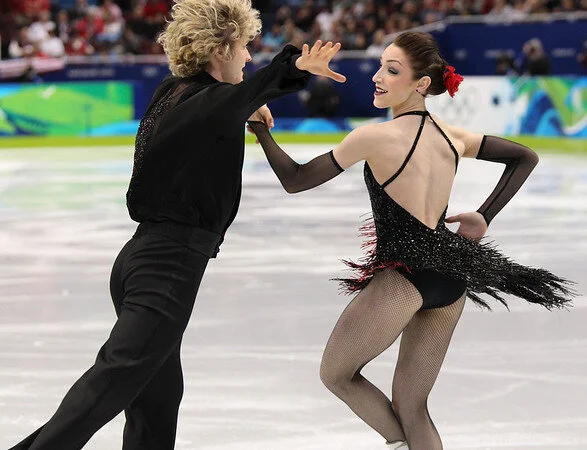
Virtual Dance Sessions
A Note From Dr. Jerilyn Felton:
Virtual Dance Sessions are held on Sunday mornings from 9 a.m. to approximately 10 a.m.
It is open to skaters, parents and judges. We are currently considering what constitutes a "passing" Pre-Gold Pattern-Partnered Dance and should complete the Golds by mid September.
Those who might be interested should contact Dr. Jerilyn Felton via email (jefelton2011@gmail.com) so that she can send you a ZOOM invitation. In order to keep our discussions to an hour, they have to limit the group to 10-12 attendees per session.
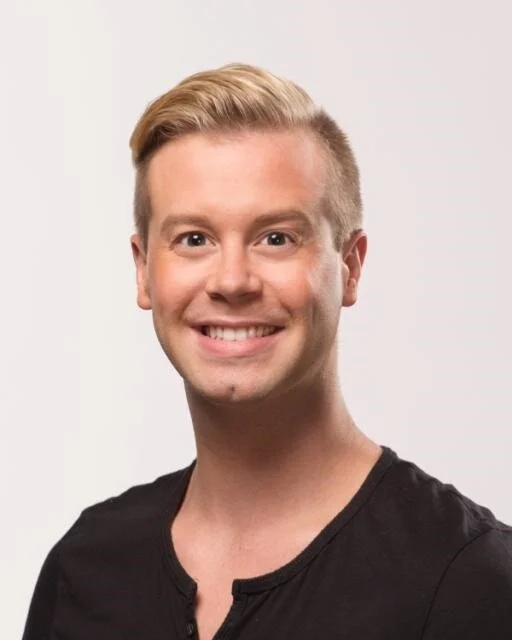
Find Your Light with Performance Consultant, Adam Loosley
Find Your Light with Performance Consultant, Adam Loosley
OSC is proud to announce Disney On Ice’s Performance Consultant Adam Loosley will be joining our August Calendar’s ONLINEseries!
Join OSC and Adam on Tuesday, August 18th, 2020 at 4:30P PST to FIND YOUR LIGHT!


‘Find Your Light’ Master Class with Performance Consultant, Adam Loosley.
Together, in this class, we will define what it means to ‘FIND YOUR LIGHT.’
Knowing who you are as a skater and performer is step one on your path to the SPOTLIGHT, and this class will give you the tools to get there your own way, while staying motivated and inspired to put your best ‘skate’ forward!
Adam Loosley is an American figure skater in Disney On Ice. In 2007, he took on the role of Ryan Evans in the East Coast version of Disney's High School Musical: The Ice Tour in 2007.
DATE: TUESDAY, AUGUST 18TH
TIME: 4:30P PST
COST: $15
Zoom login information will be sent out 24 hours in advance.
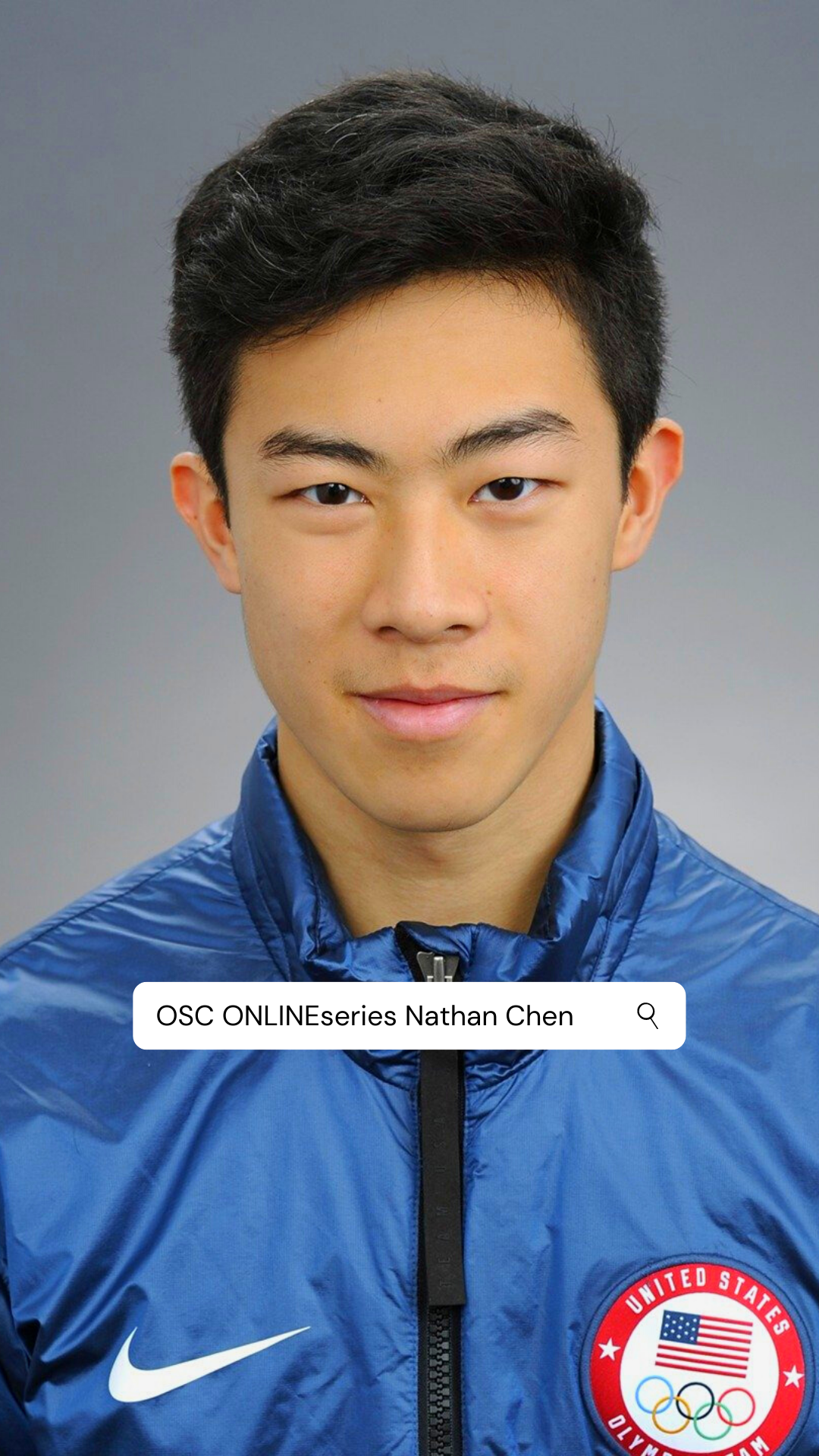
SURPRISE! Nathan Chen & Polina Edmunds join OSC ONLINEseries

OSC is so excited to have Nathan Chen join our ONLINEseries this THURSDAY, 7/9th and Thursday, July 16th and Polina Edmunds on Monday, July 19th! Please visit our SHOP to learn more!
Mailchimp Email sent July 7th, 2020:
SURPRISE! Nathan Chen and Polina Edmunds just skated on to the OSC July Calendar!
This Thursday, July 9th and next Thursday, July 16th at 5:30P PST, Nathan Chen will be sharing stability and jump techniques with you.
Nathan (aka The Quad King) is a two-time World champion (2018, 2019), a 2018 Winter Olympic bronze medalist in the team event, the 2017 Four Continents champion, three-time Grand Prix Final champion (2017, 2018, 2019), and four-time U.S. national champion (2017, 2018, 2019, 2020). Chen is the first skater to have landed five types of quadruple jumps in competitions: toe loop, Salchow, loop, flip and Lutz.
And, Monday, July 20th at 6:00P PST, Polina Edmunds joins us as she shares off-ice exercises and flexibility training!
Polina is the 2015 Four Continents champion, the 2014 CS U.S. Classic champion, and a two-time U.S. national silver medalist (2014, 2016). She represented the United States at the 2014 Winter Olympics in Sochi, finishing 9th.
Use the button below to join in on the fun!
